Hair Rejuvenation Using PRP: Taking a Closer Look at What the Research Reports
The Draw, Issue 1, October 2026. Hair rejuvenation using PRP made ISHRS’s list of the three most commonly prescribed nonsurgical hair treatments of 2021, according to its member survey. Here’s what the published research reports.
The numbers, from the publishers
- 30–50%. ISHRS: available data suggests at least this share of patients may experience some benefit.
- 42 studies (16 randomized, 26 observational) in women with female pattern hair loss (Zhou et al., 2021).
- 27.55 mean difference in hairs per cm2 versus placebo; low-quality evidence (Kieling et al., 2024).
Where it stands today
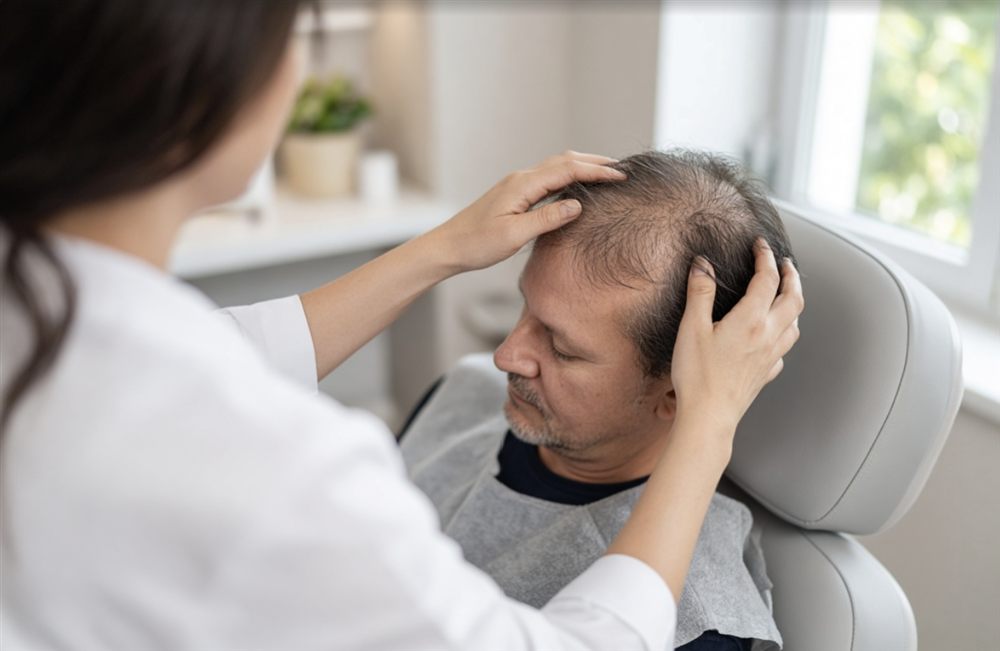
ISHRS’s member survey lists PRP alongside oral finasteride and topical minoxidil as the three most commonly prescribed nonsurgical hair treatments of 2021. As ISHRS notes, PRP for hair is an off-label use: no data has been submitted to the FDA sufficient to grant clearance for this indication. PRP is not an FDA-approved hair therapy.
What the research reports
- ISHRS patient page on PRP (society guidance, people with hair loss): at least 30–50% may experience some benefit; lack of standardization in blood collection, preparation and administration.
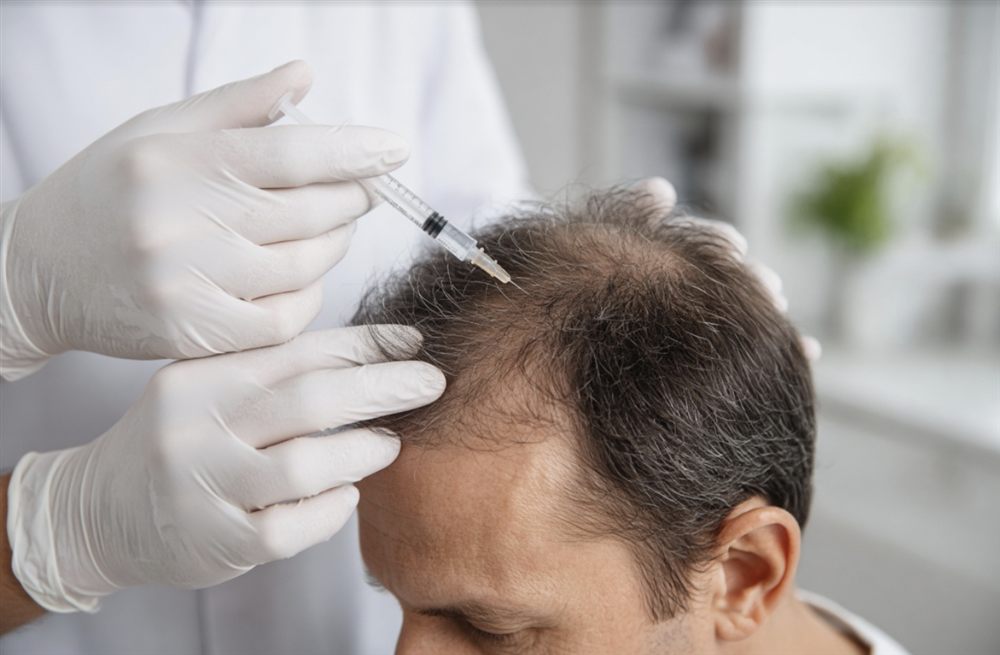
- Kieling et al., 2024, Anais Brasileiros de Dermatologia (meta-analysis, androgenetic alopecia): mean difference of 27.55 hairs per cm2 versus placebo (95% CI 14.04–41.06); the authors wrote the findings suggest PRP increases hair density, rated the evidence low quality, and recommended further high-quality trials.
- Zhou et al., 2021, Frontiers in Pharmacology (systematic review and meta-analysis, 42 studies, women with female pattern hair loss): positive efficacy for hair density versus controls; large-scale randomized trials needed to confirm.
- Georgiadis, Phillips, Mott, 2022, American Family Physician (clinical summary, men with androgenic alopecia): Strength of Recommendation A that PRP injections increase hair density more than usual treatment in men with androgenic alopecia.
Read the sources yourself
- ISHRS, Platelet-Rich Plasma
- ISHRS 2022 Practice Census
- Kieling et al., Anais Brasileiros de Dermatologia, 2024
- Zhou et al., Frontiers in Pharmacology, 2021
- Georgiadis, Phillips, Mott, American Family Physician 2022;105(1):84-85
Curious about regenerative treatments for your practice? Visit prp-amped.com or request information and a sales professional will get back to you.
Published by PRP-Amped Markets
Every figure belongs to its publisher. Disclaimer: This newsletter is for information only and is not medical advice. PRP-Amped Markets makes no claims. We pass along published research and third-party sources that we found, and the findings belong to their authors. We make no warranty about their accuracy or completeness, and we do not state or imply that any treatment is safe, effective or approved for any use. Practitioners are responsible for their own clinical judgment, patient consent and compliance with FDA, FTC and state rules. To the fullest extent permitted by law, PRP-Amped Markets takes no responsibility for decisions made from this content.
Advertisement. PRP-Amped Markets, 8735 Dunwoody Place, Suite R, Atlanta, Georgia 30350.